You might not step into a grocery store with plans to grab Nestlé products, yet somehow, they always seem to find their way into your cart. It’s a curious thing that many of us experience without giving it a second thought. You may walk past that brightly colored display of snacks, and before you know it, a carton of milk or a bar of chocolate has magically found its way into your shopping basket. Why is that? The answer lies in habit.
Our shopping habits are often formed by routine and familiarity, and Nestlé, as a household name, plays a significant role in that. The brand is part of everyday life, making it easy not just to reach for its products but also to assume their presence in our cabinets. When we think of breakfast, snack time, or even a cozy cup of coffee, Nestlé products often come to mind naturally.
But how does this psychological connection impact our purchasing decisions? It’s worth exploring how and why Nestlé has such a hold in our shopping carts.
Nestlé: A Brand You Trust Without Question
96% of people are familiar with the Nestlé brand. This level of brand awareness shifts the focus from making a conscious choice about what to buy to simply relying on muscle memory.
When a brand becomes a part of your daily routine, the decision-making process changes from “Do I want this?” to “Does this fit my needs right now?” Nestlé often wins for one key reason: it’s consistently present in our lives.
It’s More Than Just Chocolate!
Nestlé isn’t a one-time choice. It fits into different moments across the day and home. Common Nestlé purchases include:
– Chocolate and snacks
– Dairy products like milk and yogurt
– Coffee essentials
– Bottled water
– Baby and toddler food
These aren’t just impulse buys; they’re reliable products that families use repeatedly.
The Routine Behind Nestlé’s Success
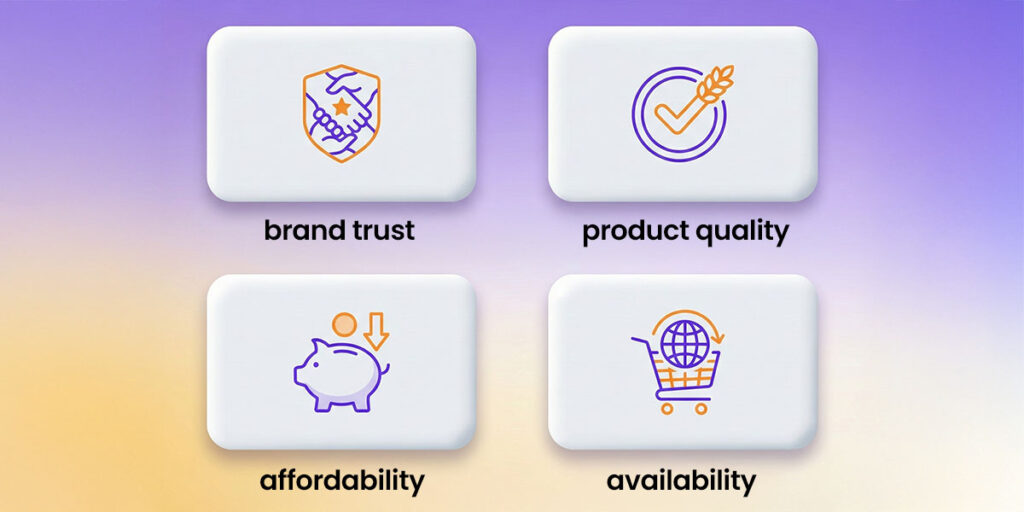
When asked why they choose Nestlé products, most people provided practical reasons: brand trust, product quality, affordability, and availability.
This insight reveals an important truth: loyalty to Nestlé isn’t about being impressed; it’s about products that simply work. Nestlé fits easily into fast-paced routines where decisions happen quickly.
Switching Brands
Despite its strong presence, Nestlé isn’t immune to competition. Many consumers report switching brands based primarily on price, especially when the cost difference is significant. This shows that choices depend on the situation.
One week you might pick Nestlé; the next, a competitor could catch your eye, depending on factors like budget and availability. Brand loyalty can be flexible!
Shopping Patterns: More Routine Than Random
Our shopping habits reveal much about us. We don’t strictly stick to budget or premium categories.
Instead, our choices change based on household needs, brand trust, and frequency of purchase. What seems like a variety of choices is often just a cycle of repetition.
Consumer Expectations: Size and Availability
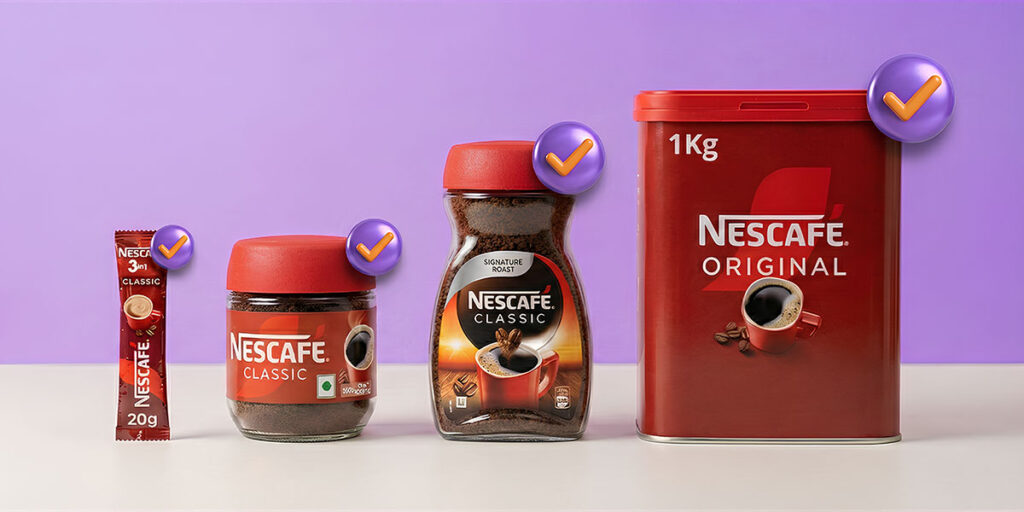
Today’s shoppers expect a good fit. An impressive 91% believe that Nestlé provides an adequate range of product sizes. Availability is key; shoppers want to know that their go-to options are easy to find, consistently stocked, and quick to grab. In everyday shopping, simplicity triumphs over complexity.
Why This Pattern Matters Beyond Nestlé
While this discussion focuses on Nestlé, the consumer behavior highlighted here extends beyond a single brand. These are everyday FMCG patterns shaped by routine, trust, and the situation, not deep research or long comparisons.
That’s what Blapp captures through simple, everyday surveys: how people actually choose when life is moving fast and decisions happen on autopilot.
Recognizing these patterns can transform your shopping experience and highlight the brands that truly meet your lifestyle needs. So, the next time you find a Nestlé product in your cart, remember: it’s not just a purchase, it’s a habit that fits seamlessly into your everyday life!
There’s more behind these everyday choices! Download the full Nestlé report.
Ready to Play?